There are no products in your shopping cart.
| 0 Items | £0.00 |

Ayo Akinfe
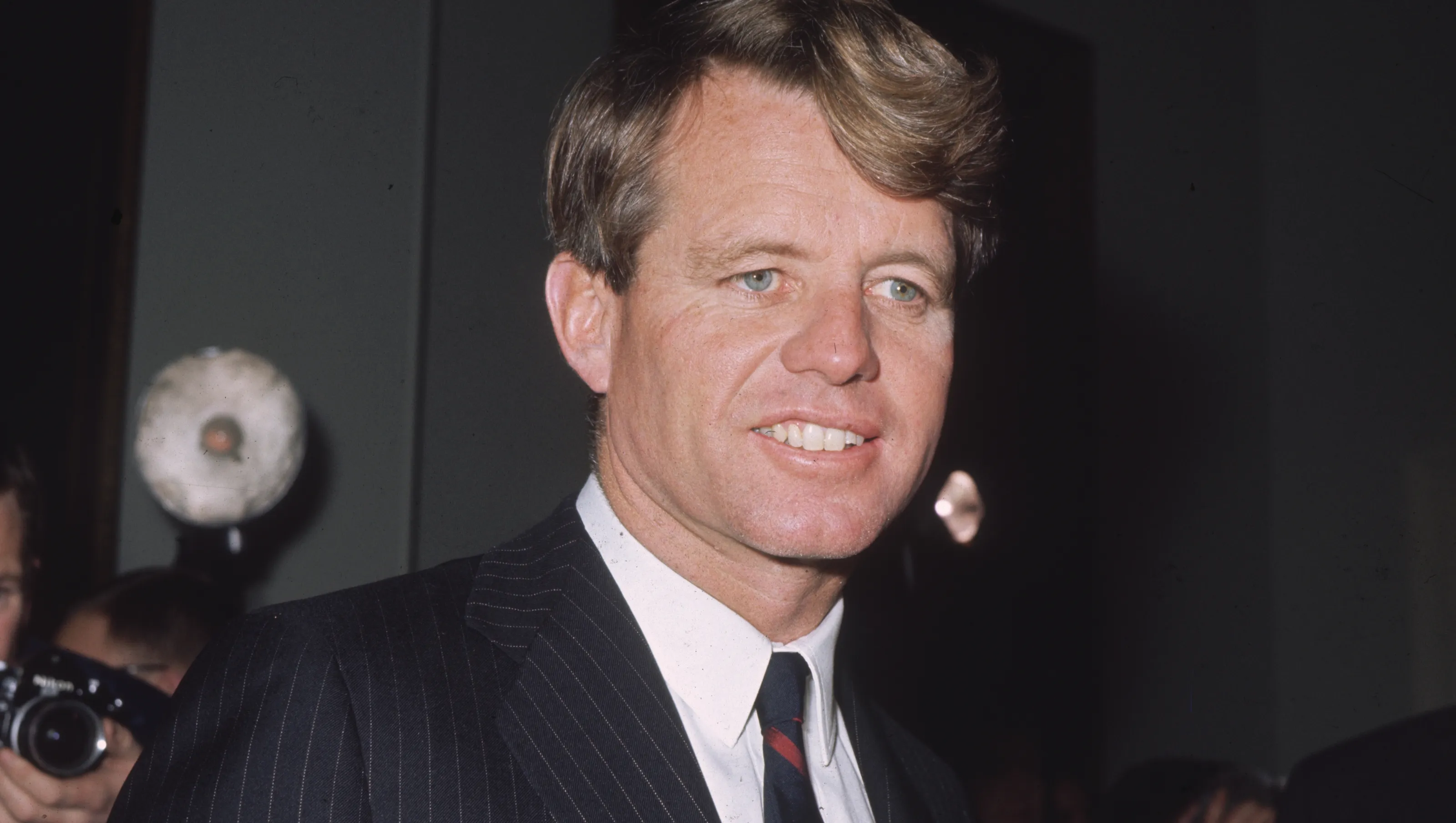
[1] Given how much American presidential candidates have been in our thoughts lately, I think this is the best time to reflect on a gentleman called Robert F Kennedy, popularly known as Bobby Kennedy
[2] Bobby Kennedy was the 64th US attorney-general, serving from January 1961 to September 1964, in office under his older brother, President John F Kennedy and his successor, President Lyndon Johnson
[3] As a lot of you know, Bobby Kennedy was assassinated shortly after midnight on June 5, 1968, after defeating Senator Eugene McCarthy in the California and South Dakota presidential primaries as he looked set to clinch the Democratic Party presidential ticket
[4] What a lot of you may not know is that prior to Bobby Kennedy becoming the US attorney-general, corruption reigned supreme in the country. Mobs, the mafia and organised crime ruled US politics, extorted money from shopkeepers and even had control over trade unions. It was Bobby Kennedy who cleared up this mess, opening the way for the transparency we all take for granted today
[5] Before becoming attorney-general, Bobby had made a name for himself as the chief counsel to the 1957–59 Senate Labor Rackets Committee under chairman John McClellan. Bobby was given authority over testimony scheduling, areas of investigation and witness questioning. In a famous scene, Kennedy squared off with Teamsters Union President Jimmy Hoffa during the antagonistic argument that marked Hoffa's testimony
[6] During this role, Bobby Kennedy soon realised that Chicago was the centre of organised crime in America and to end the corruption, he needed to take on the mob. As soon as he was appointed attorney-general, he hit the ground running
[7] Bobby, dramatically increased the number of corruption investigators in the FBI. He brought on board hundreds of young university graduates known as G-Men. These G-Men were incorruptible, could not be bribed and were so dedicated and passionate about their job
[8] Even after Bobby was shot, the G-Men continued to crack down on organised crime and corruption in the US, doing it in his memory. They saw in him the America they wanted where bribery, corruption and the mob no longer had any control and pursued it relentlessly. For those who keep saying the problem with Nigeria is leaders, ask yourself why the Kennedy legacy continued after Bobby's death
[9] It was Bobby Kennedy's recruits who eventually jailed Salvatore "Mooney Sam" Giancana, better known as Sam Giancana, the head of the Chicago Outfit also known as the Outfit, the Chicago Mafia, the Chicago Mob, or The Organization, the organized crime syndicate based in Chicago, which dates back to the 1910s. It was part of the American Mafia originating in Chicago's South Side, rising to power in the 1920s, under the control of Johnny Torrio and Al Capone
[10] I guess the closest thing we have had to Bobby Kennedy in Nigeria is Nuhu Ribadu, the former EFCC chairman. he tried to combat corruption but alas, the populace were not with him. Up until today, Nigerians still revere corrupt politicians from their communities and see them as ambassadors. If Bobby Kennedy were made Nigeria's attorney-general today, would he get the support he needs to combat corruption? I very much doubt it
