There are no products in your shopping cart.
| 0 Items | £0.00 |

Ayo Akinfe
[1] With petrol now accepted to be an environmental pollutant, we need to dramatically reduce its usage. More and more cities on the world are going car free. Those that are not, are phasing our petrol and diesel cars and going for electronic automobiles and Nigeria needs to follow suit
[2] In late 2016, Madrid's Mayor Manuela Carmena reiterated her plan to kick personal cars out of the city centre. She confirmed that Madrid's main avenue, the Gran Vía, will only allow access to bikes, buses and taxis before she leaves office in May 2019 as part of a larger effort to ban all diesel cars in Madrid by 2025
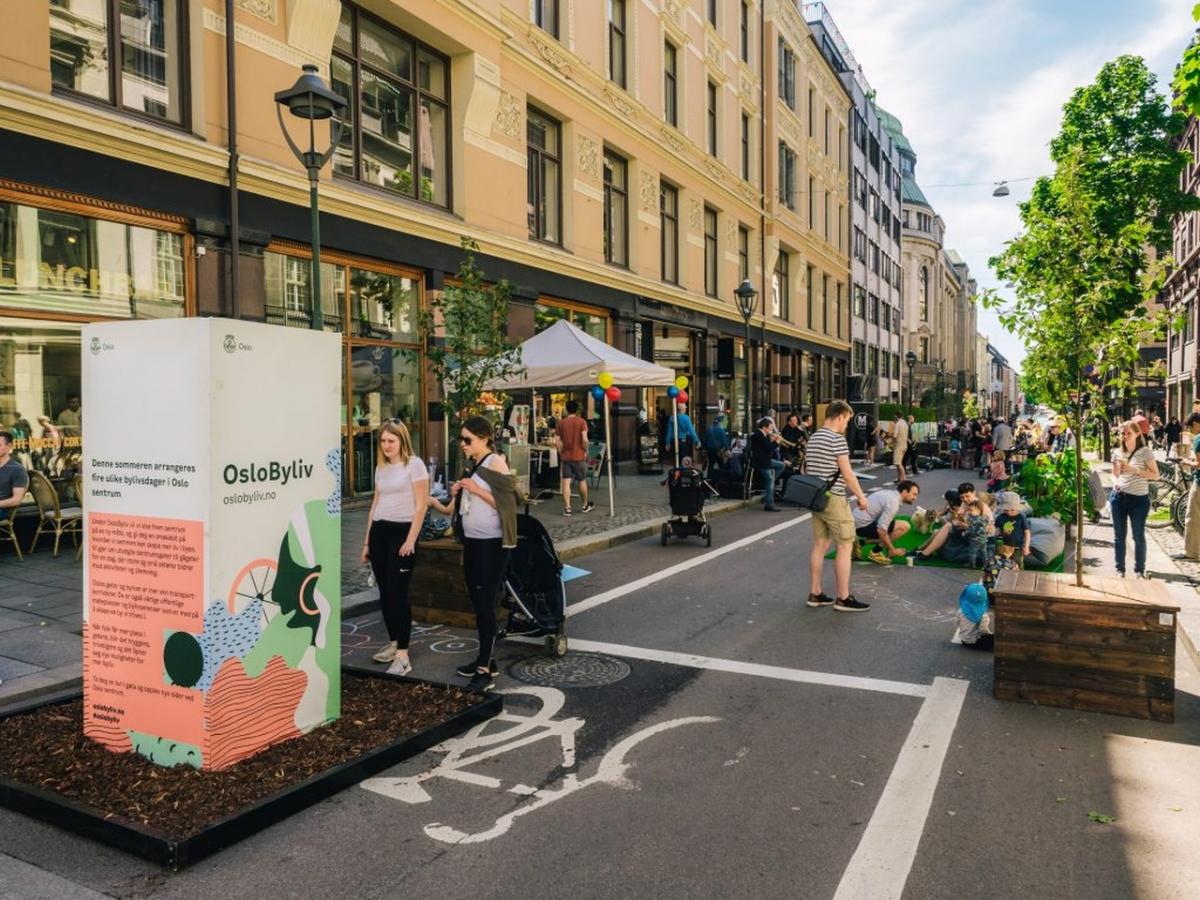
[3] Oslo also banned all cars from its city center as far back as 2019. Under this ambitious scheme, the Norwegian capital has invested heavily in public transportation and replaced 35 miles of roads previously dominated by cars with bike lanes.
[4] in Chinese city Chengdu, only half the roads in the 80,000-person metropolis now allow vehicles
[5] In the German city of Hamburg, over the next two decades, The authorities will reduce the number of cars by only allowing pedestrians and bikers to enter certain areas. The project calls for a gruenes netz, or a "green network," of connected spaces that people can access without cars. By 2035, the network will cover 40% of Hamburg and will include parks, playgrounds, sports fields and cemeteries
[6] Today, over half of Copenhagen's population bikes to work every day, thanks to the city's effort to introduce pedestrian-only zones starting in the 1960s. The Danish capital now boasts more than 200 miles of bike lanes and has one of the lowest percentages of car ownership in Europe
[7] In the French capital Paris, the mayor continues to make short-term efforts to curb emissions . Its first car-free day was in 2015, and it instated a car-free Sundays rule in May 2016
[8] Most streets that surround Brussels' city square, stock exchange, and Rue Neuve (a major shopping street) have always been pedestrian-only. The roads make up the second largest car-free zone in Europe, behind Copenhagen
[9] In April 2016, Mexico City's local government decided to prohibit a portion of cars from driving into the city centre two days every work week and two Saturdays per month. It determines which cars can drive on a given day using a rotating system based on license plate numbers
[10] Now, in Nigeria, Lagos simply has to lead the way with this. It is one of the most congested cities in the world and needs to come up with a radical plan that includes an underground metro, bicycles, electric busses and car-free zones. Other large cities like Ibadan, Kano, Kaduna, Enugu, Benin, Port Harcourt, Maiduguri, etc must them follow suit. Going forward, every state should have a target of building at least one car-free city! Personally, I think Governor Sanwooolu needs to take the lead on this by maybe cycling to work one day a week.
