There are no products in your shopping cart.
| 0 Items | £0.00 |

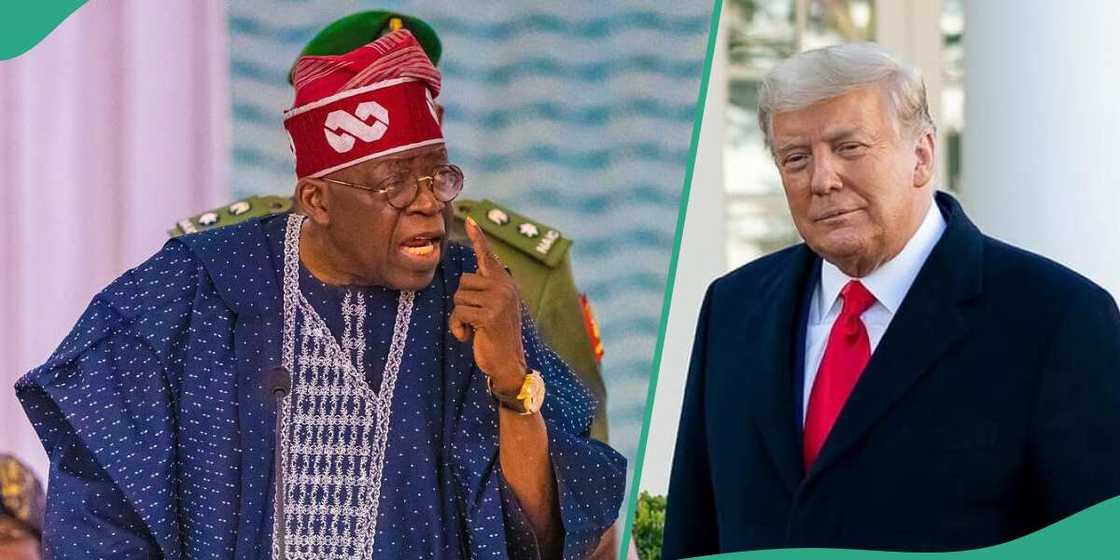
NIGERIAN exports to the US fell by almost N1trn during the first none months of 2025 leading to a chronic balance of trade deficit as a result of President Donald Trump placing punitive tariffs on goods from overseas.
According to figure just published by the Nigerian Bureau of Statistics (NBS), the value of Nigerian exports to the US during the first three quarters of 2025 dropped to N3.65trn ($2.5bn) from the N4.59trn recorded during the corresponding period of 2024. This represents a decline of 20.5% or N940.98bn, reversing the trade balance that favoured Nigeria a year earlier.
Over the same nine-month period, Nigerian imports from the US rose sharply to N6.80trn from N3.01trn, an increase of 125.5% or N3.78tn. This left Nigeria with a trade deficit of about N3.15trn with the US, compared with a trade surplus of N1.57tn in the corresponding period of 2024.
This deterioration coincided with Washington’s implementation of its reciprocal tariff regime, under which President Trump signed an executive order raising the tariff on Nigerian goods to 15% from 14%. Issues in late July, the order took effect on August 7 and although crude oil has been exempted in several cases, the higher duty applies directly to a wide range of non-oil Nigerian exports.
Meanwhile, imports from the US continued to surge, with crude petroleum oil purchases rising to N2.31tn, alongside strong inflows of used vehicles, wheat and industrial plastics. With the US no longer among Nigeria’s top five export destinations by mid-2025 and imports accelerating rapidly, the figures highlight growing structural weaknesses in Nigeria’s trade position and the vulnerability of its export earnings to external policy shifts.
Earlier in September, President Bola Tinubu said his administration will remain resilient and has no fear of the trade policy direction of President Trump. He cited Nigeria’s current economic trajectory and growing non-oil revenues as buffers against external shocks, adding that if non-oil revenue is growing, Nigeria has nothing to fear.
Jumoke Oduwole, Nigeria’s minister of industry, trade and investment, said the country would not be stampeded into retaliatory action but would continue on its path of reform and diversification. She noted that while the US remains an important trade partner, Nigeria is strengthening its African Continental Free Trade Area strategy and boosting non-oil exports, which grew by 24% year-on-year in the first quarter of 2025.
Ms Oduwole added: “We’re focused on the eight-point agenda of President Bola Tinubu. We will continue to support domestic investors and expand market access for Nigerian businesses.
“It’s mostly an energy trading relationship but we are waiting to see what happens with the African Growth and Opportunity Act in September. We are also growing exports to other African countries and expanding partnerships with Brazil, China, Japan, and the United Arab Emirates."
Furthermore, she added that Nigeria would seize opportunities for south–south cooperation, pursue export diversification and reduce dependence on the American market. Stakeholders in Nigeria’s export sector had called on the US to review the tariffs on Nigerian products and create an opportunity for the country to expand its non-oil exports.
