There are no products in your shopping cart.
| 0 Items | £0.00 |

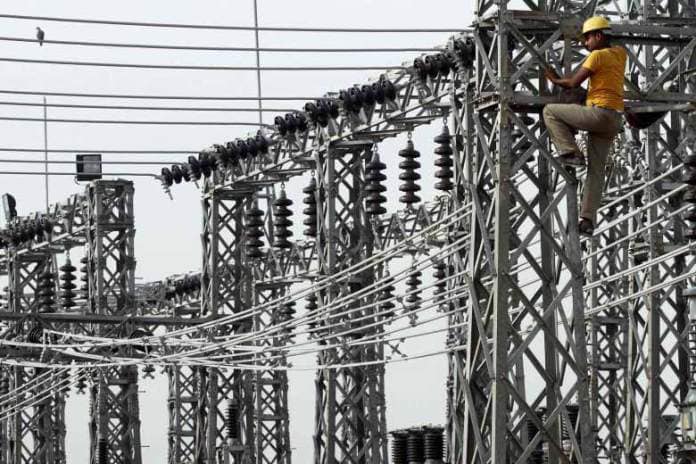
ENUGU and Ebonyi state governments have entered into agreements with Nigeria's federal government to help it achieve the goal of increased generated power by 4,000MW over the next three years.
Nigeria currently only has an installed capacity of about 13,000MW of electricity, of which it is only able to distribute and transmit about 4,000MW. This shortage leads to constant power cuts, which in turn has led to Nigeria becoming the world's largest importer of small generators and the second largest buyer of medium sized generators.
Aware of the potential environmental disaster this could lead to, the Nigerian government is looking to address the crisis by increasing generated power and making its distribution network more effective. Over recent weeks, President Bola Tinubu announced plans to pay off the debts owed to the regional power distribution companies .
Last week, the House of Representatives Public Accounts Committee approved the president's financial relief package of N248.6bn and a 10-year debt restructuring plan for the Kano, Jos and Ikeja Electricity Distribution Companies (Discos). According to lawmakers, this move is aimed at stabilizing the country’s troubled power sector and easing the burden of legacy debts.
Now, the federal government's FGN Power Company has entered into agreements with the Ebonyi and Enugu state governments to help achieve these goals as set out in the Presidential Power Initiative. Recent meetings with both state governments were aimed at accelerating phase one of a flagship public private initiative (PPI) programme designed to overhaul transmission and distribution networks and deliver more stable electricity supply across the country.
In Ebonyi State, discussions centred on the proposed Ugwaji–Okposi 330kV double-circuit transmission line, a project expected to unlock stranded generation capacity and strengthen grid reliability across the southeast geo-political zone. According to FGN Power Company, the project would enhance power evacuation capacity, improving electricity supply to homes, industries and public institutions.
Welcoming the intervention, the secretary to the Ebonyi State government, Professor Grace Umezurike, described the project as vital to the state’s development ambitions. She said: “We wholeheartedly welcome these projects and pledge our full support to ensure they are delivered on schedule.
“In Ebonyi, the significance of this intervention cannot be overstated, it is the backbone required to power our international airport, our hospitals and our schools. We are committed to removing any bottlenecks to ensure our people reap these benefits quickly.”
Similarly, in Enugu State, officials linked the PPI projects to the state’s broader urban renewal and economic transformation agenda. Professor Chidiebere Onyia, the secretary to the state government, said reliable electricity remained central to the vision of positioning Enugu as a modern smart city.
FGN Power Company, a special-purpose vehicle set up to implement the PPI, is mandated to support the federal government’s target of increasing grid capacity by 4,000 megawatts over the next three years. This initiative, being executed in partnership with Siemens Energy and engineering, procurement and construction contractors, is expected to address longstanding bottlenecks in Nigeria’s power value chain, particularly in transmission and distribution.
