There are no products in your shopping cart.
| 0 Items | £0.00 |

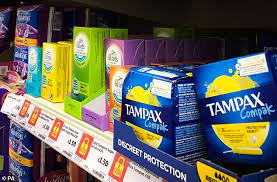
NIGERIAN women living in Scotland can now access free sanitary products after the country became the first nation on earth to take on period poverty by offering tampons and other female products to anyone in need of them.
Under an audacious programme, these products will be available free of charge in public places such as community centres, pharmacies and youth clubs, in line with legislation initially approved by lawmakers in 2020. This Scottish initiative comes amid a broader global movement to combat period poverty, a situation where girls and women are unable to access feminine hygiene products due to high costs.
Monica Lennon, a member of Scottish Parliament who introduced the legislation, said: “We are proud of what we have achieved in Scotland. We are the first but won’t be the last.”
Period poverty is when a girl cannot afford menstrual products during menstruation, which is approximately four days every four weeks. Such girls would often resort to unhygienic practices.
Menstruation is an integral part of a woman’s life but is a nightmare for the over 1.2bn women across the world who do not have access to basic sanitation during their periods, according to a study. Another report suggests that women who experience period poverty are likely to suffer from anxiety or depression.
Period poverty, although globally recognised, still gets little attention in many parts of the world, especially in Africa. One in 10 African girls misses school during their periods, according to the United Nations Children’s Fund, meaning they fall behind in their studies and often drop out of school.
New Zealand announced last year that it would offer free period products in schools, addressing concerns that a lack of access was one of the reasons young people were skipping school. In Nigeria, many women struggle to stay hygienic during their menstrual period as they are unable to buy sanitary pads.
Back in 2020, Nigeria’s President Muhammadu Buhari signed a 7.5% value-added tax-free policy on locally-made sanitary pads in Nigeria. However, not much has been achieved due to import and sales taxes as the majority of the pads in the market are imported as finished or near-finished goods.
Officials in the South Korean capital, Seoul, began dispensing free menstrual products in some public facilities in 2018 after a public outcry over reports that girls were turning to do-it-yourself solutions such as wrapping tissues around shoe insoles. In the US, Colorado ended the state sales tax on feminine hygiene products and diapers this month, following several other states that have reduced or eliminated taxes on menstrual products.
In Kenya, the government provides free sanitary pads in schools. Many Kenyan women also benefit from low-cost menstrual products as the government is said to remove all taxes on menstrual products.
