There are no products in your shopping cart.
| 0 Items | £0.00 |

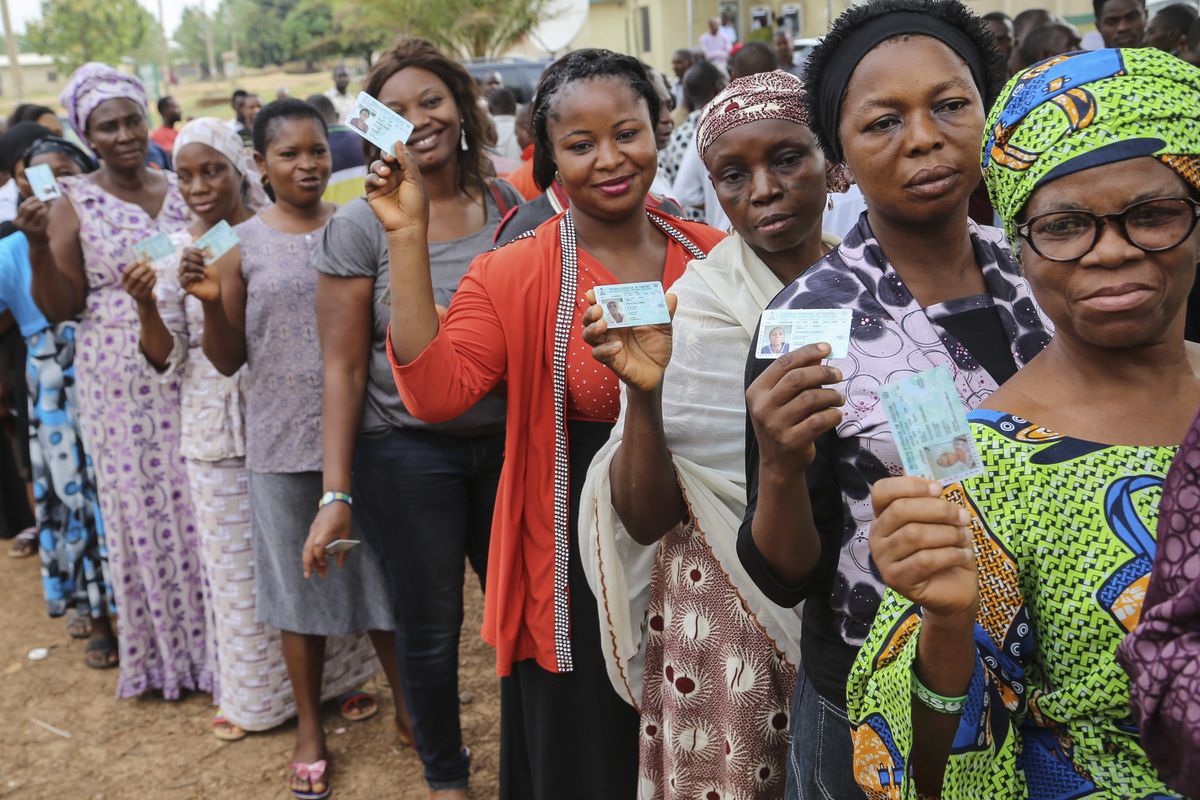
NIGERIAN diasporans who pre-registered with the Independent National Electoral Commission (Inec) but have been unable to return home to complete the process have left the agency short of about 7m voters on its electoral register.
Next year, Nigeria goes to the polls and as part of the electoral process, Inec has initiated a continuous voter registration exercise. However, out of 10,487,972 Nigerians who carried out their pre-registration online, only 3,444,378 completed the process at a physical centre and Inec believes the majority of the missing 7m people are diasporans.
Festus Okoye, Inec's national electoral commissioner for information and voter education, explained that most of those who could not complete the registration were Nigerians living abroad. Absolving the commission of any wrongdoing, he said the majority of the affected registrants could not have appear in person as they were based abroad.
Mr Okoye said Inec was ready to avail data relating to online registration to various groups or individuals accusing it of disenfranchising the said 7m registrants from voting in the forthcoming 2023 general elections. He also urged groups to take out time to understand the processes and procedures of the commission.
On August 13, the Socio-Economic Rights and Accountability Project (Serap) wrote a letter to Inec asking it to allow these seven million people complete registration of face legal action. In the letter signed by Kolawole Oluwadare, Serap's deputy director, the group said denying a significant number of eligible voters the time and opportunity to complete the registration for their permanent voters cards would impair the right to vote of those affected, deny them a voice in the 2023 elections and lead to disparate and unfair treatment of these voters.
Mr Oluwadare said: “The failure of the applicants to complete their registration may be due to factors entirely outside of their control, especially given the well-documented challenges faced by many Nigerians at registration centres across the country. We would be grateful if the recommended measures are taken within seven days of the receipt and/or publication of this letter.
"If we have not heard from you by then, Serap and the affected Nigerians shall consider appropriate legal actions to compel Inec to comply with our request in the public interest.”
However, Mr Okoye replied: “Serap should approach the commission and properly and comprehensively understand the processes and procedures. Their conclusive assertion of the existence of 7m disenfranchised registrants is a product of poor understanding of the processes and procedures of the commission.
"The commission is ready and willing to avail them of the data relating to online registration if they avail themselves of the option of engagement. The 7m individuals they alluded to are some of those that are in diaspora and could not meet the legal requirements and threshold of physical biometric capture as mandatorily provided in section 10(2) of the Electoral Act 2022."
